
Drive Thru in Saudi Arabia: 2026 Tech Guide
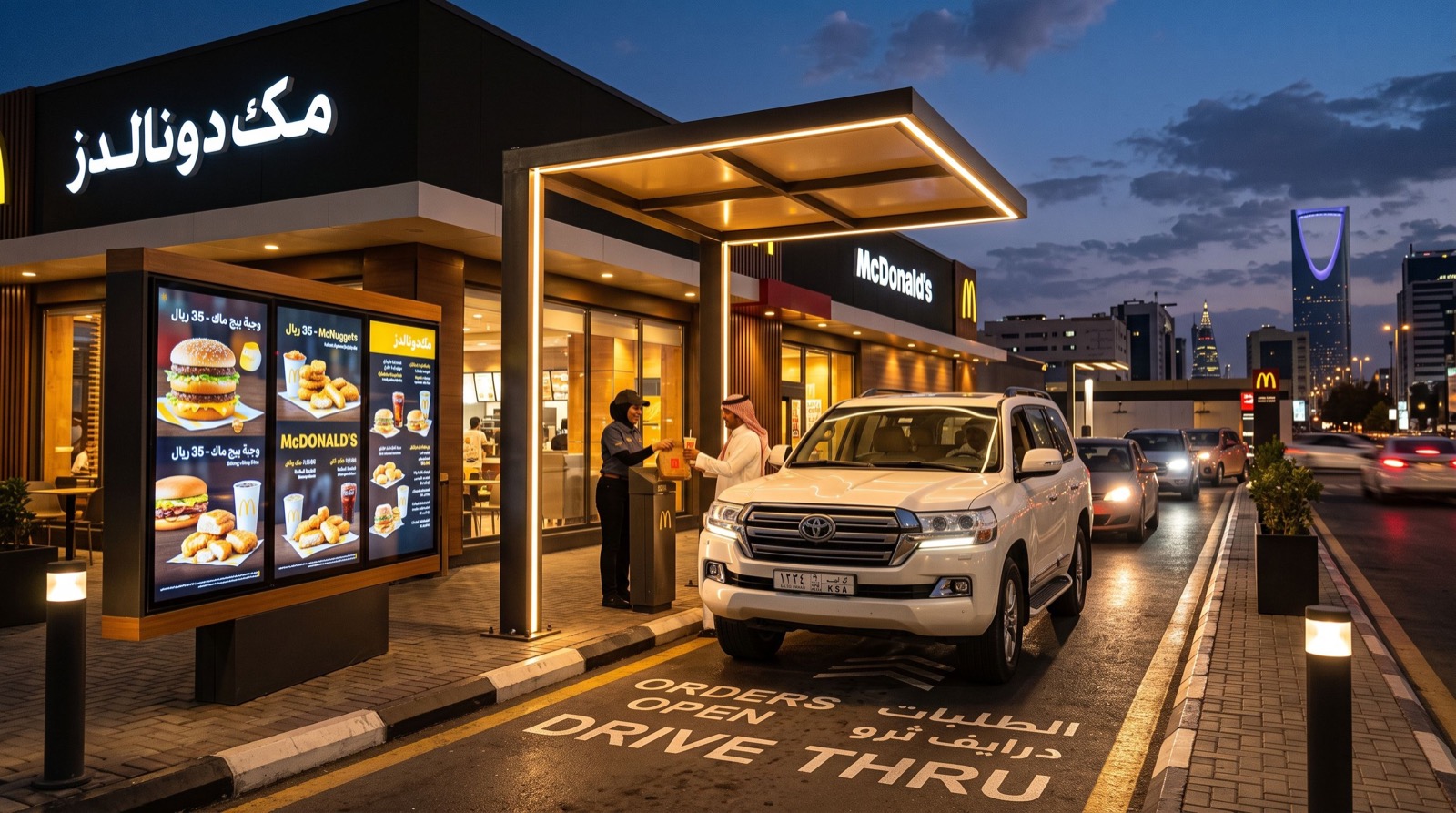
Running a fast, friendly drive thru in Saudi Arabia is no longer just about a window and a menu board. As quick-service restaurants across the Kingdom compete for busy commuters, the technology behind the lane, the timing systems, headsets, and order-confirmation displays, decides whether cars flow smoothly or stack up onto the road. This 2026 guide explains the tech that keeps lanes moving and profits climbing.
We will cover the core systems, how the leading platforms compare, and the practical decisions that separate a fast lane from a frustrating one.
Why Drive Thru Technology Matters More in 2026
Drive-thru demand has surged with delivery culture and on-the-go lifestyles. Every extra second at the window multiplies across hundreds of cars a day, so speed of service is now a headline business metric, not a back-office curiosity.
Global data underscores the stakes: the restaurant sector tracked by the National Restaurant Association consistently shows off-premise dining, including drive-thru, capturing a large share of sales. In a market as mobile as Saudi Arabia, lane efficiency directly shapes revenue.
The core systems in a modern lane
- Timing systems — measure every stage of the visit.
- Communication headsets — clear order taking in noise.
- Order confirmation displays — reduce errors at the speaker.
- Vehicle detection — triggers greetings and timing automatically.
- Digital menu boards — dynamic, dayparted, and upsell-ready.
Comparing the Leading Drive Thru Platforms
Two names dominate serious deployments, and each has strengths worth weighing before you commit a whole estate to one ecosystem.
For operators wanting proven timing and analytics, a PAR Drive Thru in Saudi Arabia setup is a popular choice thanks to its reporting depth and reliability under heavy load.
Others prefer the audio clarity and lane-management tools of an HME drive thru in saudi arabia installation, which is widely respected for its headset performance in busy, noisy environments.
| Capability | Timing analytics | Headset audio | Best fit |
|---|---|---|---|
| Platform A style | Very deep | Strong | Data-driven chains |
| Platform B style | Strong | Excellent | High-noise, high-volume lanes |
| Entry-level kit | Basic | Adequate | Single independent sites |
The right pick depends on whether your priority is squeezing seconds through analytics or guaranteeing crystal-clear orders in a loud lane. Many multi-brand operators standardise on one and accept the trade-offs for easier support.
How Do You Speed Up a Drive Thru Lane?
This is the question every operator asks, and the wins are usually operational, not just technical. Technology gives you the visibility; disciplined process turns it into faster cars.
Try this proven sequence in 2026:
- Measure each stage separately, greet, order, pay, and pick-up.
- Find the single slowest stage and fix that first.
- Use order-confirmation screens to cut costly remakes.
- Pre-position popular items during known peak windows.
- Review timing reports weekly, not monthly.
One field-tested tip: tackling accuracy often speeds the lane more than rushing staff, because a single wrong order forces a remake that blocks every car behind it.
Choosing an Installation Partner
Even the best hardware underperforms with a weak install. Cabling, speaker placement, and menu-board positioning all shape the customer experience, and getting them wrong is expensive to redo.
- Proven experience with QSR lanes, not just general IT.
- Local stock of headsets, batteries, and spares.
- Fast on-site response during trading hours.
- Training for staff on timing and audio best practice.
Work with trusted professionals who can show real drive-thru references in the region, because a lane outage during a lunch rush costs far more than the install ever did.
Designing the Lane Around the Customer
Technology performs best inside a lane that is designed for flow. The physical layout, the distance from menu board to speaker to window, sets the ceiling on how fast your systems can ever run. Getting the geometry right is cheaper before construction than after.
Think in stages the driver experiences. A clear, well-lit menu board reduces decision time. A confirmation screen at the speaker builds trust that the order is right. A dedicated pull-forward space lets a delayed order step aside so it never blocks the cars behind. Each of these small design choices shaves seconds that compound across a shift.
Layout factors that shape speed
- Stacking capacity — how many cars can wait without hitting the road.
- Speaker placement — clear audio zone away from wind and traffic.
- Menu-board visibility — readable in daylight and at night.
- Pull-forward bays — a safety valve for complex orders.
Maintenance Keeps the Lane Fast
Drive-thru hardware lives outdoors in heat, dust, and constant use, so maintenance is not optional. Headset batteries fade, speaker grilles clog, and displays dim, each degrading the experience so gradually that staff stop noticing.
Build a simple routine: rotate and test batteries daily, clean audio components weekly, and audit timing accuracy monthly. A short, disciplined maintenance checklist prevents the slow drift toward a sluggish lane and protects the investment you made in the technology in the first place.
Frequently Asked Questions
What is the ideal service time for a drive thru in Saudi Arabia?
Targets vary by brand, but many high-performing lanes aim for total service times under three minutes at peak. Timing systems help you measure and steadily improve toward that goal.
Do I need digital menu boards to be competitive?
They are not mandatory, but dynamic boards enable dayparting and upselling that static signs cannot match, and they usually pay back through higher average order value.
How important are headsets to lane speed?
Very. Clear audio reduces “sorry, can you repeat that” moments and order errors, both of which slow the lane and frustrate the cars waiting behind.
Can existing lanes be upgraded without a full rebuild?
Often yes. Timing systems, headsets, and confirmation displays can be added to most existing lanes, letting you modernise in stages rather than all at once.
Final Thoughts
A successful drive thru in Saudi Arabia blends the right platform, a clean installation, and relentless attention to timing and accuracy. Compare the leading systems on the metrics that matter to your lanes, invest in clear audio and confirmation screens, and choose a partner who can keep everything running through the rush. Get it right in 2026 and every car that pulls up becomes a fast, repeatable win.